

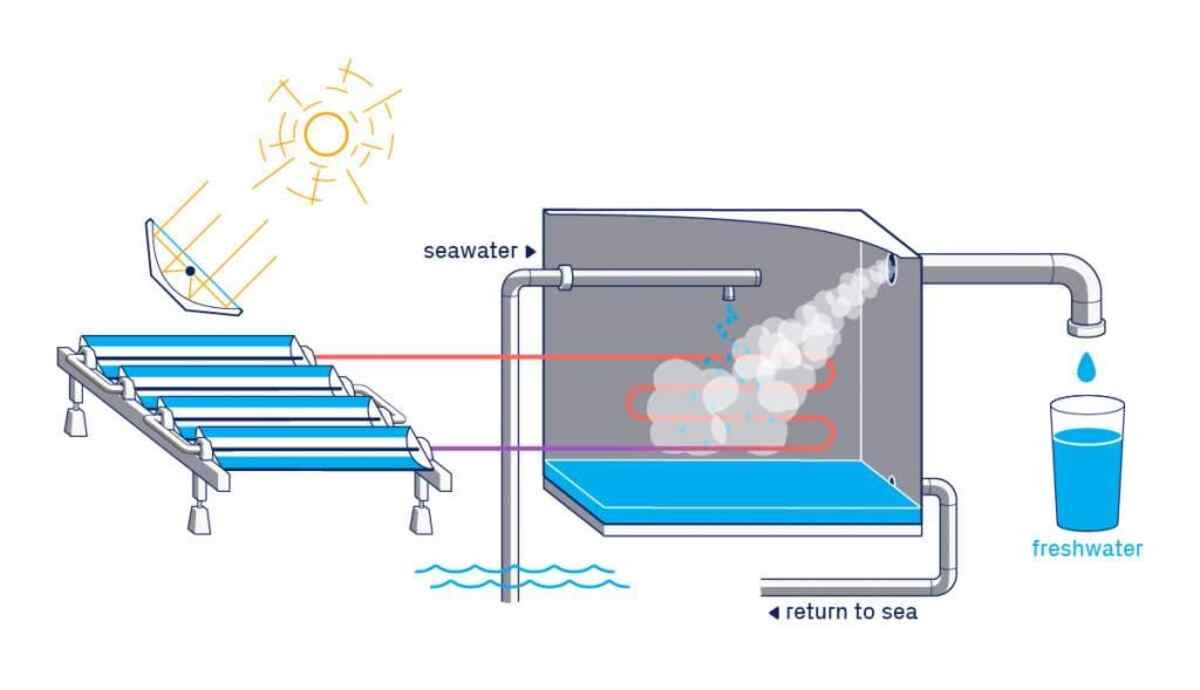
Development in the water purification arena is set to shift the global water scarcity issue drastically. Scientists have revealed a novel hybrid solar desalination device that can produce potable water without the typical brine waste linked to usual desalination methods. This could be a major breakthrough in delivering sustainable fresh water to millions of people living in water-stressed areas of the world.
It is well known that one of the major problems of this century is the provision of safe drinking water. Factors like increasing population, climate change, droughts, and industrial activities are putting enormous pressure on water resources. Traditional desalination plants extract salt and other impurities from seawater and the resulting product is the highly concentrated brine. Typically, this brine is disposed of in the ocean or other marine areas which poses a risk to marine ecosystems. This matter of brine waste management has led to the desalination industry seeking more environmentally friendly methods.
This novel hybrid solar desalination mechanism combines solar power with the latest water purification technologies. It differs from conventional systems that simply separate the fresh water from saltwater because it is capable of using almost all the water fed into it and produces very little or no liquid waste at all. So, this technology is able to provide safe drinking water without leaving the environment with the harmful residue that is a consequence of traditional desalination processes. The major feature that sets this system apart from the others is that it is powered by solar energy. In fact, a lot of power is needed to operate desalination plants, so they are not only costly to run but, when run with fossil fuels, they contribute to greenhouse gas emissions as well. Making use of sunlight as the main energy source, the hybrid system drastically cuts down the running costs and the impact on the environment while its greater portability allows it to be used in remote or off-grid areas.
The researchers involved indicate that the device can work efficiently, maintaining good outputs, even when faced with the toughest environmental conditions. Using very sophisticated thermal management techniques and coming up with very original material designs that allow us to not only produce maximum amount of water but at the same time save energy, these were the main two aspects on which this new development was focused. The marriage of these two factors, i.e. sustainability and performance, may make this new invention highly desirable for those areas where severe water shortage is the main problem coupled with the lack of reliable power supply.
Besides the positive impact on environment, brine-free desalination can bring a significant change to the whole water processing industry. Getting rid of waste not only increases the efficiency of resource utilization but also helps to avoid very expensive disposal of toxic waste. Given individual design features, the end products, i.e. minerals and salts, may be extracted and can be on-sold for production purposes generating additional cash flow and at the same time adhering to the circular economy model.
Water officials hold the view that through endowing people with safe and sufficient water, this technology may emerge as a third vital pillar of global human development together with food and energy. Recent reports from globally recognized institutions reveal that billions of individuals around the world will be living under water stress conditions within the next few decades because on one hand climate change will affect the rainfalls and Then again population will keep on growing which means more demand. In order not to be at the mercy of nature and be prepared for lots of eventualities resulting from it, in other words sustainable desalination technologies, might form a major part of our water security portfolio.
The concept of the hybrid solar system also seems to be a great match for rural areas and third world countries. While these are serviced very poorly there are many such areas which have tons of sunlight but no proper infrastructure. A desalination unit out of the grid based on the use of renewable energy, for sure, will act as a source of continuous supply of water for human consumption without the need of having megalopolises powered by electrical grids or the presence of big manufacturing industrial plants.
Due to the rapid increase in the number of people living in urban areas and the continuous depletion of water resources due to climate change, scarcity of water has become a major concern all around the globe and co-operating with each other, governments and environment-related NGOs have become more and more active in their efforts to promote introduction of new technologies related to water. If so far, investments in renewable-powered desalination projects have been Mostly concentrated only in a few countries, now the number of such projects has reached to a much wider range. Paving way for brine-free systems can be a key in ensuring the same objectives and as a result will also facilitate the commissioning of similar systems in various parts of the world.
Based on experts of the sector, the biggest challenge to achieving full-scale commercialization is not in the technology aspects, but in other matters which need to be resolved before the industrial introduction can take place. Researches still have to be taken to enhance efficiency, reduce production costs and prepare the system for different climatic changes. If the trials are successful, the technology will be one of the options of global-scale water treatment in the near future.


