

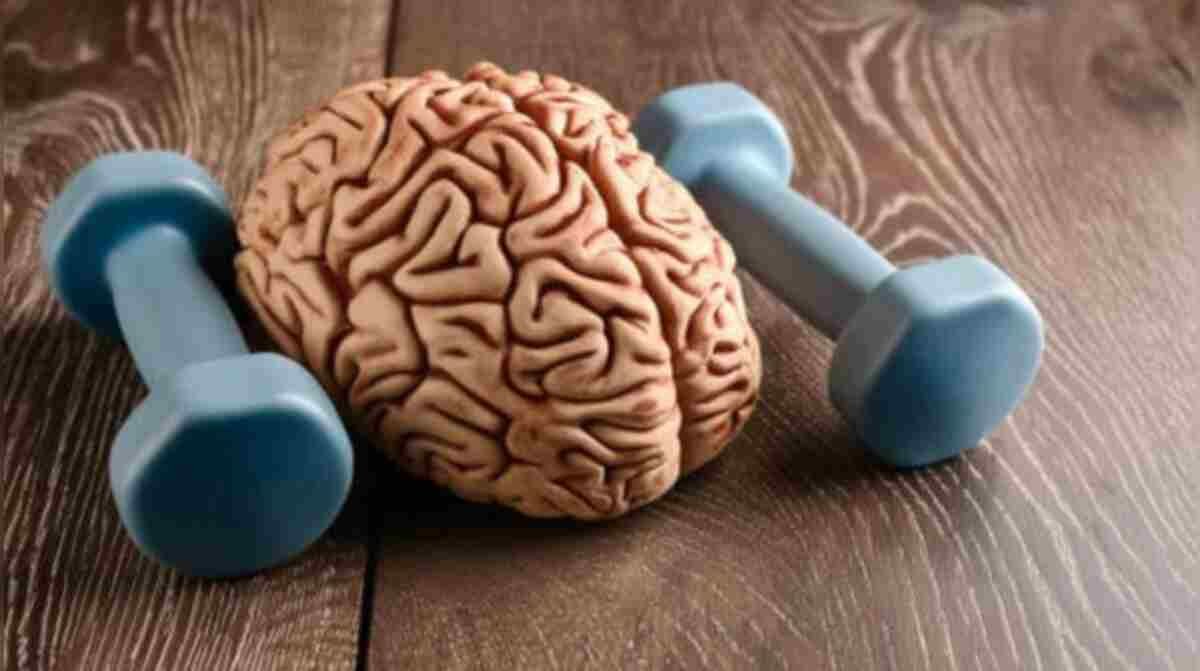
You don’t always need a lengthy workout to give your mind a visible lift. Researchers recently found that only 10 minutes of ‘mild intensity activity’ may enhance different parts of the brain’s function and also promote positive feelings.
The results support evidence that also suggests relatively brief periods of exercise can impact the brain and mood.
The authors were applying low-intensity movement, not exercise. They observed measurable effects of cognition and mood after only minutes of mild activity. The findings are very compelling because it shows that movement-related changes might take effect far earlier than we might believe.
Physical activity has been linked to greater cardiovascular health, improved sleep and mental health.Still research and public discussion have predominantly discussed longer sessions.
Still, new research shows there are other possibilities: a brief bout might cause changes in the working of the brain. Gentle physical activity can boost blood flow and promote the release of feel-good and energising chemicals within the body.
Active movement also gives a respite from long periods of sitting or cognitive work, which may assist people in returning to their tasks or occupation with renewed clarity. For those who just can’t squeeze in a dedicated hour a day this could make keeping active something that is very much within reach.
It can be done in ten-minute segues lunchtime playtime or in between appointments.
Perhaps the most fascinating part of the study is how movement links with mental health. Participants actually felt good following the session which may imply that activity does not need to be mainly strenuous to affect mental state.
Some people may find very vigorous exercise uncomfortable, for them slow and light movements may be more appealing. Simply walking slowly or cycling at a light intensity, for example, may be suitable for those seeking an easy way to become more physically active.
The cognitive effects are also relevant. Small amounts of exercise can have temporary effects on performance in attention, cognition and other measures of cognitive performance by altering quantities of blood flow and brain activity soon.
This does not imply that a 10-minute high-intensity workout can substitute for exercise needs or Medicinal therapy in neurological or psychological disorders.
But this study suggests something easy to add to daily routine for instant mental boost. Many of us have much of our day spent sitting behind desks, or on the train to work, the train back, or in the car for the rest of the day. Finding the time for a workout can become yet another chore of a hectic day. Ten minutes of movement drops that barrier.
Instead of thinking about spending an hour in the gym, people can look at movement as something thatcan added throughout the day. More short bouts may also be a more feasible way to increase physical activity.
Given the busyness of life, it might be easier to remember a walk after breakfast, doing some movement intermittently throughout the workday, and then another quick walk in the evening.


