

A new comprehensive climate study warns that hot-dry extreme events will surge dramatically across the planet by the end of the century, posing severe risks to agriculture, water resources, ecosystems, and human health. Researchers project that regions already vulnerable to drought and heatwaves could experience these combined extremes up to five times more frequently by 2100 if global warming continues on its current trajectory.
The research highlights that hot-dry extremes — periods of unusually high temperatures combined with significantly low rainfall — represent one of the most dangerous compound climate hazards. These events devastate crop yields, intensify wildfires, reduce river flows, and trigger water shortages that affect both urban and rural populations. Tropical and subtropical low-income regions in Africa, South Asia, Latin America, and parts of the Middle East are expected to face the sharpest increases, with some areas seeing hot-dry conditions occurring almost every other year by 2100.
Scientists analyzed multiple climate models and historical data to assess how rising global temperatures alter atmospheric circulation patterns. Higher temperatures increase evaporation rates, drying out soils faster even when rainfall patterns remain similar. This creates a vicious cycle where drier soils lead to even hotter surface temperatures, amplifying the intensity and duration of these extremes. The study emphasizes that limiting global warming to 1.5°C or 2°C could substantially reduce the frequency and severity of these events compared to higher emissions scenarios.
Agricultural impacts stand out as particularly concerning. Major food-producing regions could see simultaneous crop failures during critical growing seasons, threatening global food security. staple crops like maize, wheat, and soybeans are highly sensitive to combined heat and drought stress. Smallholder farmers in developing nations, who often lack access to advanced irrigation or insurance, will be hit hardest, potentially driving food price spikes and increasing hunger risks.
Water scarcity represents another critical challenge. Many river basins and aquifers are already under pressure, and more frequent hot-dry periods will accelerate depletion while increasing demand for remaining resources. Urban centers in arid and semi-arid zones may face more frequent and severe water rationing, affecting millions of residents. Energy production could also suffer as hydropower output declines during prolonged dry spells and cooling water becomes scarcer for thermal power plants.
Ecosystems face existential threats as well. Forests, wetlands, and biodiversity hotspots may struggle to adapt to rapid changes in climate patterns, leading to widespread die-offs and species migration or extinction. Wildfire seasons are projected to become longer and more destructive, releasing additional carbon into the atmosphere and further accelerating warming.
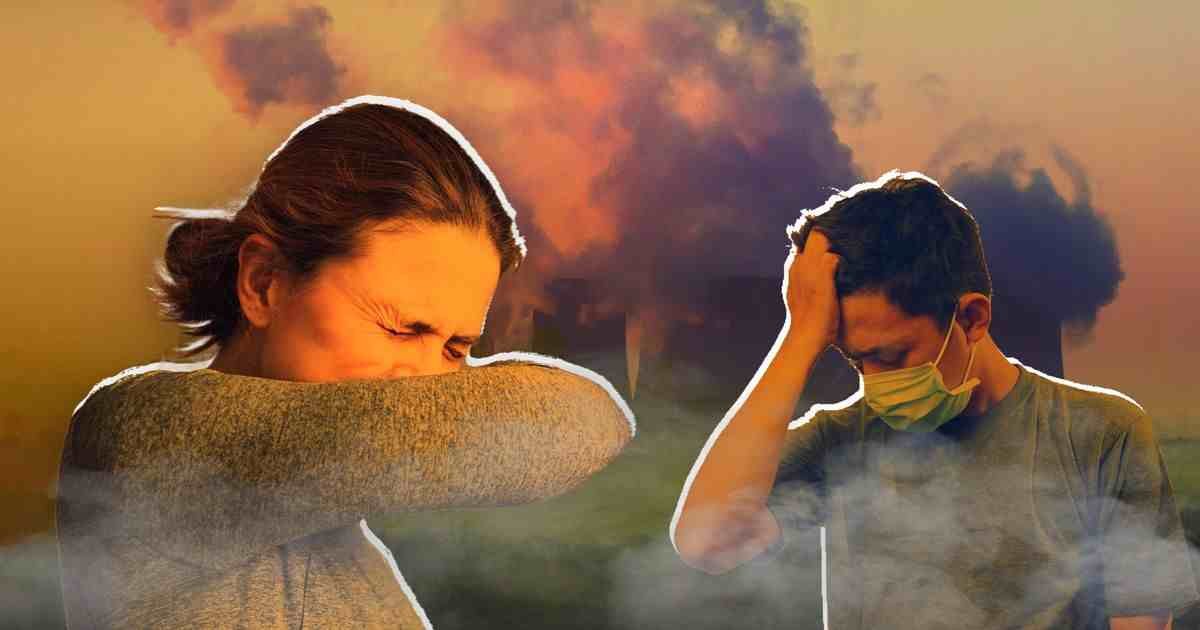
Human health consequences include higher risks of heat-related illnesses, respiratory problems from wildfire smoke, and the spread of climate-sensitive diseases. Vulnerable populations such as the elderly, outdoor workers, and low-income communities will bear disproportionate burdens. The economic costs could run into trillions of dollars annually through damaged infrastructure, reduced productivity, and disaster response efforts.
The study calls for urgent adaptation measures alongside aggressive emissions reductions. These include developing drought-resistant crop varieties, improving water management systems, expanding early warning networks, and implementing nature-based solutions like reforestation and wetland restoration. International cooperation will be essential, particularly in supporting developing nations with technology transfer and climate finance.
While the projections are sobering, researchers stress that decisive global action to cut greenhouse gas emissions can still meaningfully alter the outlook. Every fraction of a degree of warming avoided translates into fewer catastrophic hot-dry events. As the world prepares for COP negotiations and national climate plans, this latest research serves as a stark reminder of the growing urgency to address compound climate risks before they become unmanageable.
The coming decades will test humanity’s ability to adapt to these intensifying extremes while transitioning to a sustainable future. Proactive planning today could determine how well societies withstand the hot-dry challenges projected for 2100.


