

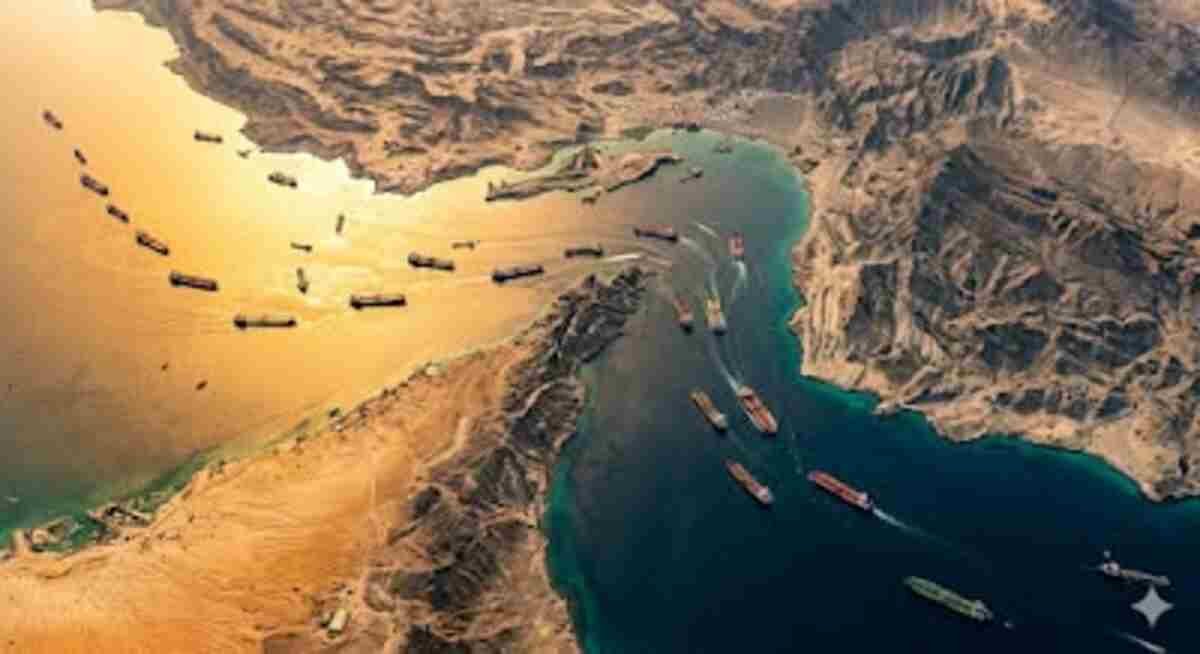
Oil producers in the Gulf are rushing to find other export corridors as a continous disruption of trade in and through the Strait of Hormuz underscores the dangers of dependence on one chokepoint. Saudi Arabia, the UAE and Iraq are investing in or contemplating pipelines and port links that could deliver crude to the Red Sea, Gulf of Oman or Mediterranean without going through Hormuz.
The sense of urgency has escalated Quite a bit as the current Iran crisis has persisted and begun to escalate. Before the immediate crisis, approximately 15 million barrels per day of Gulf crude traversed the Hormuz strait, establishing one of the key transports within the international energy complex.
As shipping becomes more compromised by security issues, Gulf economies are viewing alternative infrastructure as a permanent feature, not a temporary measure: Saudi Arabia already runs one of the most strategic bypass routes in the region. Its East-West Pipelineor Petrolinecarries oil from east-to-west, across the country to Yanbu, situated on the Red Sea, from where tankers have direct access to regional markets without having to make passage through the Strait of Hormuz. In fact, as the system was built decades ago it was partly driven by fears of regional shipping interruptions.
Still, the current substitutes are unable to immediately substitute the huge amount passing through Strait-Hormuz as normal. Based on International Energy Agency, Saudi Arabia and UAE are able to utilize around 3.5 5.5 million BPD potential spare capacity by utilizing alternative crude-oil pipelines. It is significant but not enough to fulfill the amount passing through the international passage. The UAE has access to its own significant alternative routesupply by pipeline.
Abu Dhabi Crude Oil Pipeline (ADCOP) is a network of pipes transporting crude from Habshan to Fujairah on the Gulf of Oman, so oil can ship without passing through Hormuz. The capacity of the pipeline seems to be about 1.8million barrels a day, and in fact domestic crude exports leave some up to time when there is excess capacity.
Now the UAE is planning to extend this broader infrastructure network. With the industry’s infrastructure, the world’s energy firms are adjusting their shipping services. ADNOC is enlarging its fleet of tankers and carrying out ship to ship transfers, trying to sustain crude exports un-affected by wartime restrictions on shipping.
Though, Iraq has an even more complex task ahead in that southern oil exports have traditionally relied heavily on basra terminals. In Iraq, moves to develop alternate routes through Syria and Turkey (by pipeline to the Mediterranean ports) have been initiated. And, Iraq has attempted to increase exports moving along its existing northern pipeline system to the Ceyhans port of Turkey.
The call on diversification is becoming increasingly more apparent for Iraqi producers. Buyers are increasingly wary of dispatching ships towards Basra while traders are attempting to find opportunities to load Iraqi crude at intermediate point foreign to the Strait. For instance TotalEnergies’ trading division Totsa recently offered Iraqi Basrah Medium crudes through alternative means at a premium well above the official selling price, illustrating the higher cost of the disruption.


