

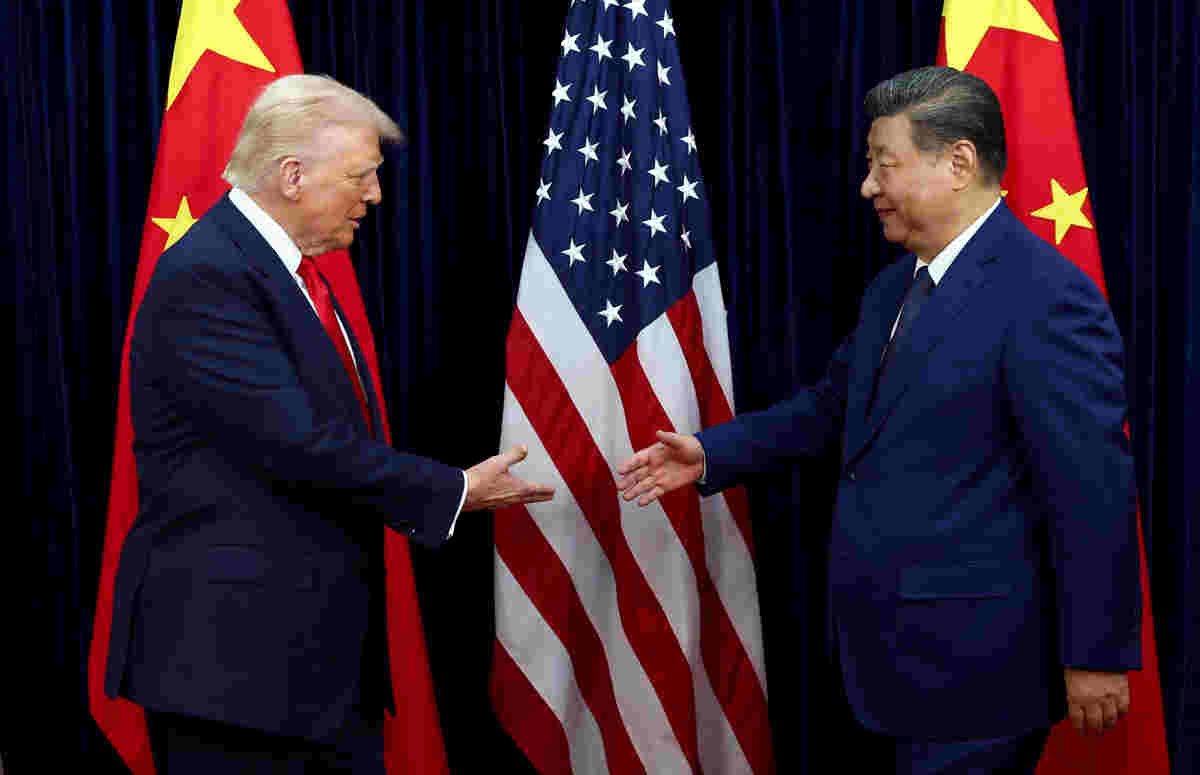
As fragile ceasefires hold across the Middle East following weeks of intense conflict, China has emerged as a quietly influential player in efforts to broker a lasting peace between the United States and Iran. Beijing’s measured involvement reflects its deep economic stakes in the region while carefully navigating relations with Washington ahead of a high-stakes summit between President Xi Jinping and President Donald Trump scheduled for mid-May in Beijing.
China’s diplomatic activity intensified behind the scenes as tensions peaked around the Strait of Hormuz, a vital waterway carrying roughly one-fifth of global oil trade. Iranian officials have credited a last-minute push from Beijing with helping convince Tehran to accept a two-week ceasefire and reopen the strait to commercial shipping. President Trump publicly acknowledged China’s role, stating that Beijing helped bring Iran to the negotiating table in Pakistan and expressing optimism that Xi Jinping was “very happy” about the reopening of the critical maritime route.
Foreign Minister Wang Yi has been particularly active, conducting nearly 30 phone calls and meetings with counterparts from Iran, the United States, Russia, Gulf states, and Pakistan since the conflict escalated. China has consistently called for an immediate end to hostilities, respect for international law, and a return to dialogue. In a notable four-point peace proposal outlined by President Xi during meetings with Arab leaders, Beijing emphasized upholding national sovereignty, peaceful coexistence, and balanced development and security — language widely interpreted as a veiled critique of unilateral military actions.
Beijing’s motivations are rooted in pragmatism. As Iran’s largest trading partner and a major buyer of Iranian oil, China has faced significant risks from disruptions in energy supplies and rising global oil prices. The conflict threatened to slow China’s economic recovery by dampening export demand and increasing energy costs. By encouraging de-escalation, Beijing protects its strategic interests without appearing to side openly against its long-standing partner in Tehran.
At the same time, China has avoided heavy-handed pressure on Iran. Officials in Beijing have denied supplying weapons to Tehran and rejected U.S. intelligence claims about potential arms deliveries or air defense systems. Instead, Chinese diplomacy has focused on multilateral channels, including strong support for Pakistan’s mediation role in hosting initial talks between American and Iranian representatives in Islamabad.
Analysts note that China’s cautious positioning allows it to build credibility as a responsible global actor while preserving leverage. By acting as a bridge rather than a forceful mediator, Beijing keeps lines open with all parties. This approach also serves broader geopolitical goals. A stable Middle East reduces risks to Chinese Belt and Road investments and enhances Beijing’s image among Global South nations wary of Western intervention.
The reopening of the Strait of Hormuz on April 17 marked a tangible success for these quiet efforts. Iran announced the waterway was fully open for commercial vessels, a move welcomed by global markets and contributing to a sharp drop in oil prices. Trump framed the development as a step toward permanent stability and suggested that China’s agreement not to supply weapons to Iran was linked to broader cooperation.
Yet challenges remain. Deep divisions persist over Iran’s nuclear program, including the fate of its highly enriched uranium stockpile and future enrichment activities. While both sides appear open to an interim framework to extend the ceasefire, core issues could still derail progress. China has offered to host or support further talks but stops short of committing as a formal security guarantor, a role some Iranian voices have floated.
For Beijing, the coming weeks offer a delicate balancing act. Successful diplomacy in the Iran crisis could strengthen China’s hand in upcoming discussions with Trump on trade, technology, and regional security. Failure, however, risks prolonged energy volatility that would hurt China’s economy more than most other major powers.
As negotiations continue, often with Pakistan’s facilitation, China’s low-profile yet persistent engagement underscores its evolving role in Middle East affairs. No longer content to remain on the sidelines, Beijing is positioning itself as an indispensable voice for stability — one that prioritizes dialogue, economic pragmatism, and strategic patience in a volatile region.
This subtle diplomacy may prove decisive in determining whether the current fragile calm evolves into a durable peace agreement or unravels into renewed confrontation. For now, China’s careful maneuvering highlights how great-power competition and cooperation can intersect when vital global interests hang in the balance.


