

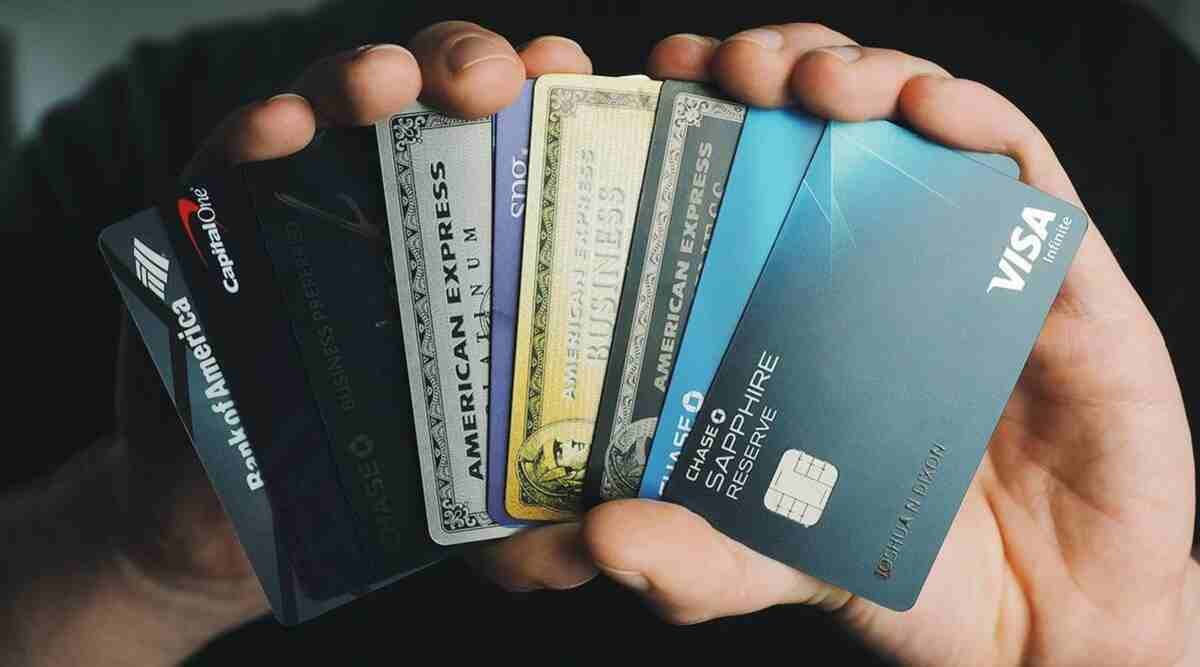
The golden era of 0% introductory APR credit cards may have just slammed shut for millions of Americans. Overnight, major issuers like Chase, Citi, and Wells Fargo pulled dozens of promotional offers from their websites and apps, citing “regulatory adjustments” and surging delinquency rates that hit 3.05 percent in the third quarter of 2025. What was once a lifeline for debt consolidation and big-ticket financing—saving users an average of $1,200 in interest over 12-21 months—has evaporated amid the Federal Reserve’s erratic rate hikes. With the prime rate now at 7.50 percent and forecasts predicting penalty APRs as high as 29 percent by mid-2026, households carrying the nation’s $1.39 trillion credit card debt load are staring down a brutal winter of compounding charges.
This abrupt vanishing act isn’t random. The Consumer Financial Protection Bureau’s recent crackdown on “teaser rates” that mask long-term traps has forced banks to rethink low-barrier offers, especially as inflation lingers and consumer spending shows cracks. Data from LendingTree reveals that 60 percent of cardholders revolve balances monthly, often racking up unintended debt during promo periods. “These cards were a temporary bridge, but without them, borrowers face a 22.83 percent average APR on accruing interest—up from 22.25 percent just last quarter,” warns Ted Rossman, senior industry analyst at Bankrate. For a $5,000 balance, that’s $95 extra monthly interest, potentially ballooning to $1,450 annually if unchecked.
The math is merciless. Pre-2025, cards like the Wells Fargo Reflect offered 21 months interest-free on purchases and transfers, letting users chip away at debt without the psychological drag of immediate fees. Now, with those windows closed, everyday expenses—from holiday gifts to home repairs—could trigger penalty rates north of 28 percent for even one late payment. The Fed’s G.19 report underscores the pain: credit card balances surged 60 percent since 2021, hitting $1.39 trillion, while APRs for all accounts climbed to 21.39 percent. Experts like those at Forbes Advisor project averages dipping only to 19.80 percent by year-end 2025, far from relief.
But amid the chaos, smart alternatives emerge for those locked out of zero-interest havens. First, pivot to low-APR workhorses designed for balance carriers. The Wells Fargo Active Cash Card stands out with a 0 percent intro on purchases for 15 months—still available despite the broader purge—followed by a variable 19.24 percent to 29.99 percent APR. It earns unlimited 2 percent cash back on everything, turning routine spending into a buffer against future hikes. Pair it with the Citi Double Cash, which skips the intro but locks in a flat 2 percent rewards rate (1 percent on purchase, 1 percent on payment) at a post-promo APR of 18.99 percent to 28.99 percent. Users report saving up to $300 yearly in effective interest through disciplined payoff strategies.
For deeper debt relief, personal loans offer fixed-rate stability outside the card ecosystem. SoFi’s unsecured loans start at 8.99 percent APR for qualified borrowers, with terms up to seven years—ideal for consolidating $10,000-plus balances without revolving traps. LendingClub matches that with rates as low as 9.57 percent and no origination fees for top credit scores, potentially slashing monthly payments by 40 percent versus a 25 percent card rate. “Loans amortize predictably, unlike cards where minimums barely dent principal,” notes Alberto Riva, senior money editor at CNN Underscored. Current promo: zero fees on loans under $20,000 through December 31.
High-yield savings accounts provide another escape hatch for emergency funds, shielding against impulse borrowing. Ally Bank’s 4.20 percent APY outpaces inflation, letting a $3,000 buffer grow $126 annually—enough to cover a surprise bill without credit. For rewards seekers, the Blue Cash Everyday from American Express delivers 3 percent back at U.S. supermarkets (up to $6,000 yearly) and a 15-month 0 percent intro on transfers, though purchases revert to 19.24 percent to 29.99 percent. No annual fee sweetens the deal for families.
Beyond products, tactical shifts matter most. Build a bare-bones budget: allocate 20 percent of income to debt, using apps like YNAB to track every dollar. Negotiate with issuers—many drop rates 2-3 percent for on-time payers, per a 2025 CFPB study. And for the vulnerable, nonprofit credit counseling via the NFCC caps fees at $50 monthly while crafting hardship plans that freeze interest.
This purge signals a reckoning, but it’s not checkmate. By grabbing low-APR anchors, fixed loans, and savings shields now, you can outmaneuver the 29 percent cliff. The real win? Paying smarter, not harder—before 2026 turns interest into an avalanche.


