

Not everyone battles motion sickness, but if you do, it can tarnish a cruise or sailing trip. Fret not, though, considering there are options available to help nip motion sickness symptoms in the bud. Should you go with over-the-counter (OTC) motion sickness pills? Or maybe you’re better off using anti motion sickness patches? There are a few key details to factor in before deciding on anything.
And that’s what this simple guide will help ensure you uncover today. Before proceeding further; what are motion sickness pills? Well, these medications typically fall into the category of first-generation antihistamines. They were originally approved for allergy symptoms but can help with motion sickness, also.
Some of the most common OTC motion sickness pills you can settle for include; Dimenhydrinate, Meclizine, and Diphenhydramine. Newer antihistamines, like cetirizine, are primarily used for allergies. In this regard, you should never expect them to help with motion sickness. Most motion sickness pills work by blocking two chemicals in the brain, i.e.; histamine and acetylcholine. These chemicals are involved in activating the vomiting center in your brain. Blocking them can help prevent nausea as a result of motion sickness.
Most health practitioners recommend taking a dose 30 to 60 minutes before the triggering activity. Considering they only last for a couple of hours, you’ll need to take several doses for all-day coverage. This is something you should never worry when taking Meclizine since it lasts longer and one dose should last most of the day.
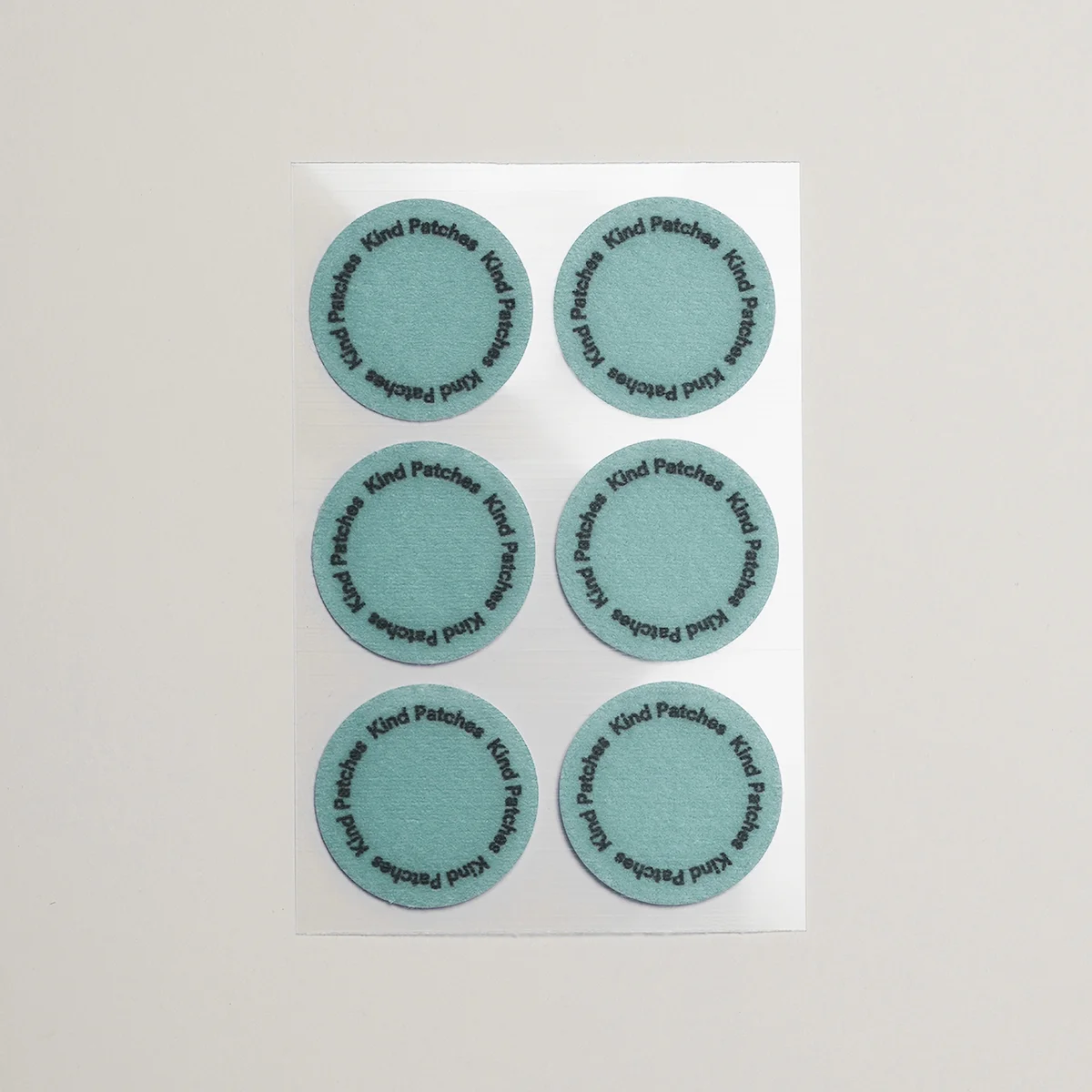
That brings us to the question; what are anti-motion sickness patches? One of the most common motion sickness patch you can use is Scopolamine. This patch is applied behind your ear and lasts for up to 3 days. This makes it a remarkable option for long-term relief, such as sea sickness on a cruise.
Most anti-motion sickness patches are believed to work by blocking acetylcholine. This action serves to prevent the vomiting center in your brain from being activated, which, in turn, helps prevent nausea. To use a scopolamine patch, you should have it placed on an area of hairless skin behind one of your ears. You’ll need to apply it at least 4 hours before you expect to get motion sickness. You can remove the old patch after 3 days and apply a new one, if need be.
It is worth mentioning that both motion sickness pills and patches block the functioning of acetylcholine, which can lead to a few shared side effects. These include drowsiness, dry mouth, blurred vision, constipation, urination problems, and headache.
You should consider avoiding activities that require you to be alert while taking motion sickness medication until you know how it affects you. Even ‘less-drowsy’ option have the potential to affect some people more than others. And side effects like drowsiness and blurred vision may make it dangerous to drive if you’re on a road trip. Be sure to research more about anti-motion sickness patches before using them.


