

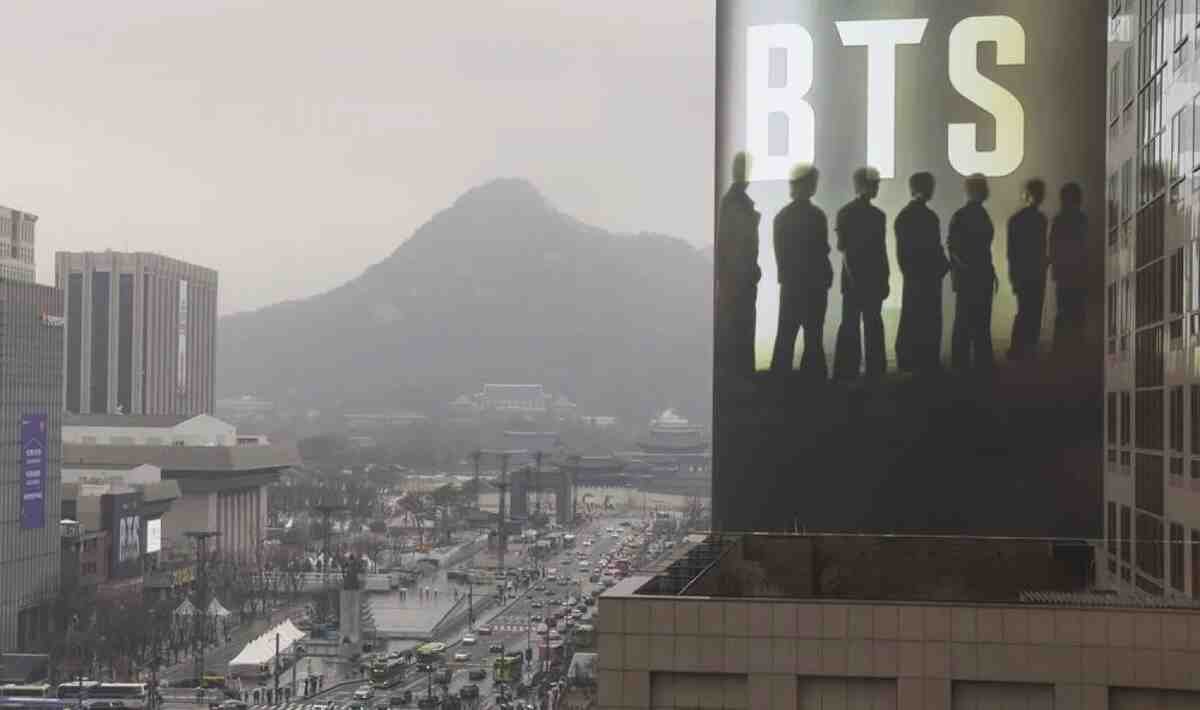
The music industry is witnessing one of its most anticipated moments as BTS makes a powerful return with a new album and an expansive world tour, marking the end of a multi-year hiatus. After completing mandatory military service, the seven-member K-pop group has re-entered the spotlight with renewed energy, instantly reshaping the conversation around pop music and global fandom.
The comeback centers around their new album Arirang, released in March 2026, which is their first full group project in over three years. The album represents a creative reset for the band, blending modern production with cultural themes inspired by Korean heritage. This combination of global sound and local identity is a defining element of BTS’s appeal, and early reactions suggest that the group is once again pushing artistic boundaries.
What makes this return even more significant is the scale of the rollout. BTS is not just releasing music but launching one of the largest concert tours of their career. The upcoming tour is expected to span dozens of cities across Asia, Europe, and the Americas, with more than 70 shows planned over the next year. This marks their first full-scale tour since before their hiatus, signaling a major re-entry into live performance culture.
The opening chapter of this comeback began with a massive concert in Seoul, where hundreds of thousands of fans gathered both in person and across the city to witness the group’s return. The event quickly turned into a cultural spectacle, combining music, national pride, and global attention. Authorities even implemented heightened security measures due to the sheer scale of the gathering, highlighting the group’s unmatched ability to mobilize audiences.
Beyond the music and performances, BTS’s return carries deeper industry implications. During their hiatus, each member explored solo projects, allowing them to evolve individually while maintaining the group’s collective identity. Now reunited, their combined influence is stronger than ever, bringing together years of individual growth into a unified creative direction.
The timing of the comeback is also critical. The music industry is currently navigating a phase dominated by streaming platforms, short-form content, and rapidly changing audience behavior. BTS’s return cuts through that noise, proving that large-scale albums and global tours still hold immense power when backed by strong storytelling and fan engagement.
Another notable aspect of this comeback is the integration of digital experiences. Their Seoul concert was livestreamed globally, allowing millions of fans to participate in real time, regardless of location. This hybrid approach to live events reflects how music consumption is evolving, blending physical and virtual experiences to reach a broader audience.
The group’s influence also extends beyond entertainment. Their return is expected to generate significant economic impact, particularly in South Korea, where tourism, merchandise sales, and cultural exports are closely tied to BTS’s activities. From local businesses to international streaming platforms, the ripple effects of their comeback are already being felt.
As the world tour prepares to roll out, anticipation continues to build. Tickets for early shows have seen overwhelming demand, with many dates selling out almost instantly. This level of response underscores the loyalty and scale of BTS’s global fanbase, often referred to as ARMY, which remains one of the most engaged communities in modern music.
Ultimately, BTS’s comeback is more than just a return to the charts. It represents a full-scale revival of one of the most influential acts of the past decade. By combining cultural storytelling, musical innovation, and unmatched fan connection, BTS is once again setting the standard for what a modern music comeback can achieve.


