

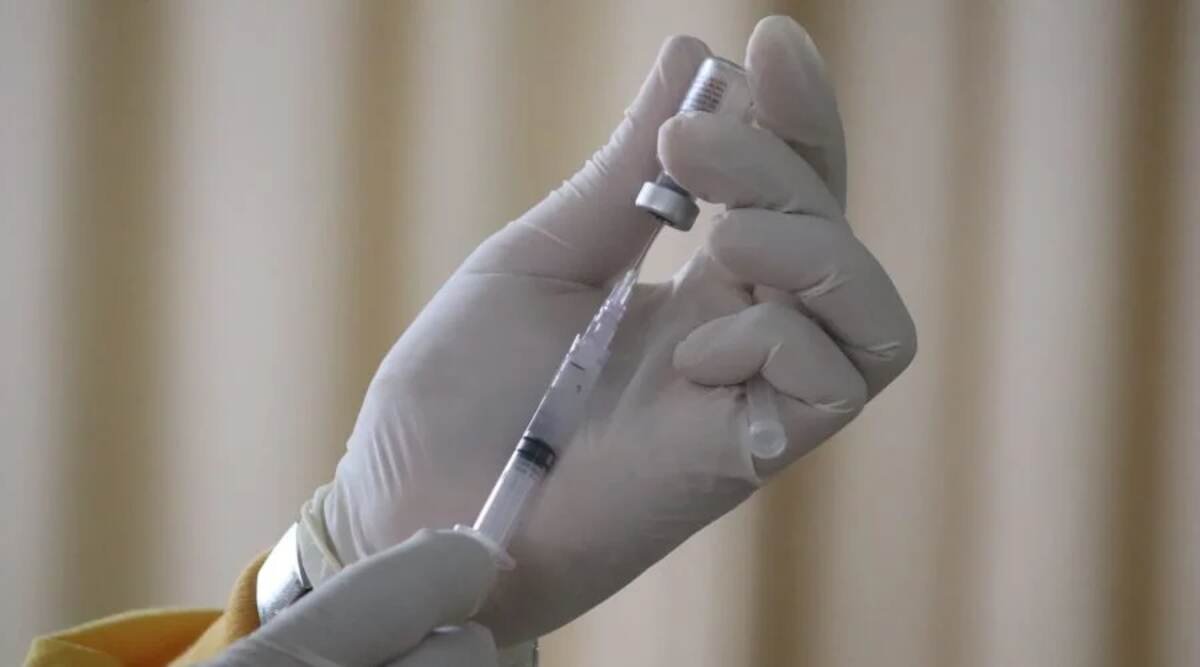
A major global health initiative is taking a significant step forward in the fight against tuberculosis as the International AIDS Vaccine Initiative (IAVI) expands enrollment for a Phase 2b clinical trial of the promising tuberculosis vaccine candidate known as MTBVAC. The new expansion introduces a cohort of participants who have never been infected with tuberculosis, a move researchers hope will accelerate progress toward an effective vaccine capable of preventing one of the world’s deadliest infectious diseases.
Tuberculosis remains a major global health challenge despite decades of medical research. According to global health organizations, TB continues to kill more than a million people every year and is widely regarded as the most lethal infectious disease worldwide. Current prevention tools remain limited, and the only approved vaccine, Bacille Calmette-Guérin (BCG), was developed more than a century ago and provides inconsistent protection, especially in adolescents and adults.
The MTBVAC vaccine candidate represents a new approach to TB prevention. Unlike the BCG vaccine, which is derived from Mycobacterium bovis, MTBVAC is based on a weakened form of Mycobacterium tuberculosis itself, the bacterium that causes the disease in humans. This design allows the vaccine to present a broader range of antigens to the immune system, potentially producing a stronger and more protective immune response.
The clinical trial, known as the IMAGINE study, is a large Phase 2b research project designed to evaluate the safety, immune response, and effectiveness of the vaccine in adolescents and adults. The study already includes thousands of participants who carry latent TB infection, meaning they have been exposed to the bacteria but do not show symptoms of the disease. These participants help researchers understand whether the vaccine can prevent the progression from latent infection to active tuberculosis.
The latest expansion introduces an additional group of approximately 1,200 volunteers who have never been exposed to TB. These individuals will test negative in a specialized blood test known as the Interferon Gamma Release Assay (IGRA), which measures immune memory of tuberculosis exposure. By including this infection-naïve cohort, researchers will be able to study how the vaccine performs in people who have never encountered the bacterium.
Enrollment for this new cohort will take place across multiple clinical research centers located in South Africa, Kenya, and Tanzania. The first vaccinations for the newly enrolled participants were administered at a research facility in Cape Town, marking the start of the next stage of the study. Scientists believe that analyzing the vaccine’s effect in both previously exposed and unexposed populations will provide critical insights into its protective potential.
One of the key advantages of MTBVAC is its simplicity of administration. The vaccine is designed as a single-dose injection delivered intradermally, which means it can be administered easily in regions with limited healthcare infrastructure. Importantly, it does not require an additional adjuvant, making it potentially suitable for large-scale vaccination campaigns in developing countries where tuberculosis remains most prevalent.
Funding for the IMAGINE trial comes from a coalition of global health organizations and philanthropic groups, including the Gates Foundation, Wellcome, and other international partners committed to accelerating vaccine development. Their support reflects growing recognition that a new TB vaccine could transform global health outcomes.
Researchers hope the expanded study could ultimately speed up the path toward regulatory approval. If the vaccine demonstrates strong safety and efficacy results, it may move into later-stage trials or fast-track evaluation processes. A successful TB vaccine could save millions of lives over the coming decades, particularly in regions where tuberculosis remains endemic.
For now, the MTBVAC trial represents one of the most promising efforts in decades to develop a modern vaccine against tuberculosis. As scientists continue to gather data from participants across Africa, the global health community will be watching closely, hopeful that this research could finally deliver a breakthrough against a disease that has persisted for centuries.


